What is Graves' Disease (Graves' Ziekte)?
Graves' disease, also known as Graves' ziekte in South Africa, is an autoimmune condition where your body's immune system mistakenly attacks your thyroid gland. This vital organ produces hormones regulating your metabolism, energy levels, and more. The attack causes your thyroid to overwork, leading to hyperthyroidism (an overactive thyroid). It affects more women than men, typically between their mid-20s and 50s. Think of it as your body's own defence system mistakenly attacking a friendly organ.
Causes and Risk Factors: Unravelling the Puzzle
What causes Graves' disease? That's the big question! While the exact cause remains unknown, research points towards a combination of genetic predisposition and environmental factors. A family history of Graves' disease increases your risk, suggesting a strong genetic component. However, environmental triggers are still being investigated. One thing's certain: Graves' disease isn't contagious.
Recognising the Signs: Your Body's Clues
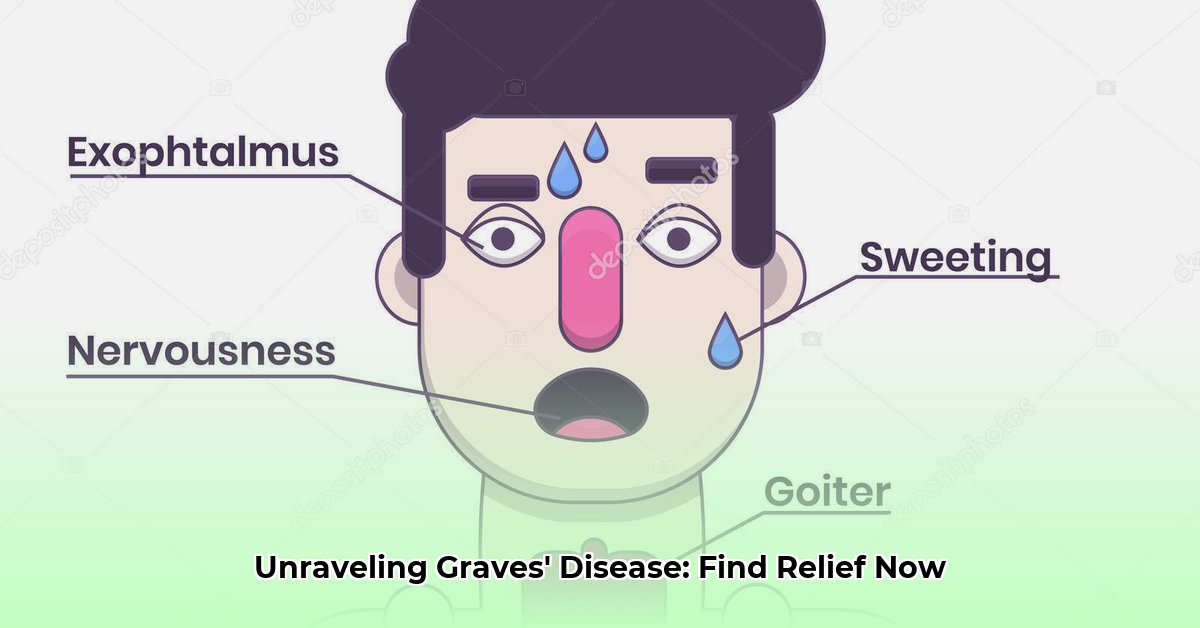
Graves' disease symptoms vary widely, from mild to severe. Early detection is key, so pay attention to these common indicators:
- Rapid heartbeat (tachycardia): A racing heart, even at rest.
- Unexpected weight loss: Losing weight despite a normal or increased appetite.
- Heat intolerance: Feeling excessively hot, even in mild temperatures.
- Emotional instability: Irritability, anxiety, or feeling constantly on edge.
- Tremors: Noticeable shaking in your hands and fingers.
- Muscle weakness: Unusual fatigue and weakness.
- Menstrual irregularities: Irregular or heavy periods in women.
- Sleep disturbances: Difficulty sleeping or staying asleep.
- Frequent bowel movements: More bowel movements than usual.
- Bulging eyes (Graves' ophthalmopathy): A characteristic sign, often noticeable.
- Thickened skin on shins (pretibial myxedema): A less common but distinctive symptom.
If you experience several of these symptoms, consult your doctor immediately.
Diagnosis: Finding the Answers
Diagnosis begins with a thorough discussion of your symptoms and a physical examination. Blood tests are crucial, measuring your thyroid hormone levels (TSH, T3, and T4) to assess thyroid function. Tests checking for thyroid antibodies, proteins your immune system produces when attacking the thyroid, confirm the autoimmune nature of the disease.
Treatment Options: Choosing the Right Path
Several treatment options exist, each with advantages and disadvantages:
| Treatment Option | Pros | Cons |
|---|---|---|
| Antithyroid Medications | Effectively controls hyperthyroidism; generally safe. | Possible side effects; long-term use needed; doesn't cure the disease; may need further treatment. |
| Radioactive Iodine Therapy | Reduces overactive thyroid tissue; often leads to remission. | Can cause hypothyroidism (underactive thyroid); involves radiation exposure. |
| Surgery (Thyroidectomy) | Removes overactive thyroid tissue; may cure the disease. | Risks and potential complications; usually leads to hypothyroidism needing further treatment. |
Your doctor will help you determine the most suitable approach based on your individual situation.
Living Well with Graves' Disease: A Long-Term Partnership
Managing Graves' disease is an ongoing journey. Regular check-ups are essential to monitor your thyroid function and prevent complications. Lifestyle adjustments play a significant role:
- Stress Management: Practice stress-reduction techniques like yoga or meditation.
- Healthy Diet: Maintain a balanced diet to support overall health.
- Adequate Sleep: Aim for 7-8 hours of quality sleep per night.
- Smoking Cessation: Smoking exacerbates eye problems associated with Graves' disease.
Remember, you're not alone. Support groups and online communities offer valuable connection and shared experience.
Graves' Ophthalmopathy: Managing Eye Complications
Graves' ophthalmopathy (GO), or thyroid eye disease, affects the tissues and muscles around your eyes. This can range from mild puffiness to serious vision problems. Treatment for GO is crucial and may involve medications to reduce inflammation, such as corticosteroids.
Key Takeaways:
- Early diagnosis is crucial for effective Graves' disease management.
- Several treatment options exist, tailored to individual needs.
- Lifestyle adjustments are essential for long-term well-being.
- Support groups are valuable resources for coping and shared experiences.